
From Power to Global Compute Infrastructure
Reza Nedjatian is a technology executive and electrical engineer focused on energy-driven compute systems, where power, cooling, and execution speed define what’s possible. His work spans continents and the full lifecycle of industrial mining and data centers, from design through operations, helping support over 1% of global Bitcoin hashrate while steadily advancing efficiency and reliability.
Today, his remit extends beyond Bitcoin mining toward AI-ready and high-performance compute (HPC) systems, ensuring that accelerated compute evolves from an infrastructure-first, energy-aware foundation.
- Bitcoin Mining: scaling globally distributed mining data centers and hashrate deployment
- AI & HPC: advancing early-stage infrastructure reuse and deployment feasibility
- Energy & Execution: track record across power generation, renewables, and large-scale project delivery


Built grounding in real-world power systems, learning the constraints, grid realities, and execution pressures that shape energy-driven infrastructure.
Shifted from power projects into mining-infrastructure strategy, where hardware supply, energy economics, and uptime discipline determine outcomes.
Directed the growth of large-scale mining and compute infrastructure. Phoenix reports 450MW+ energized across three continents, continuing to scale with disciplined execution.
Energy-Aligned Deployment in Practice
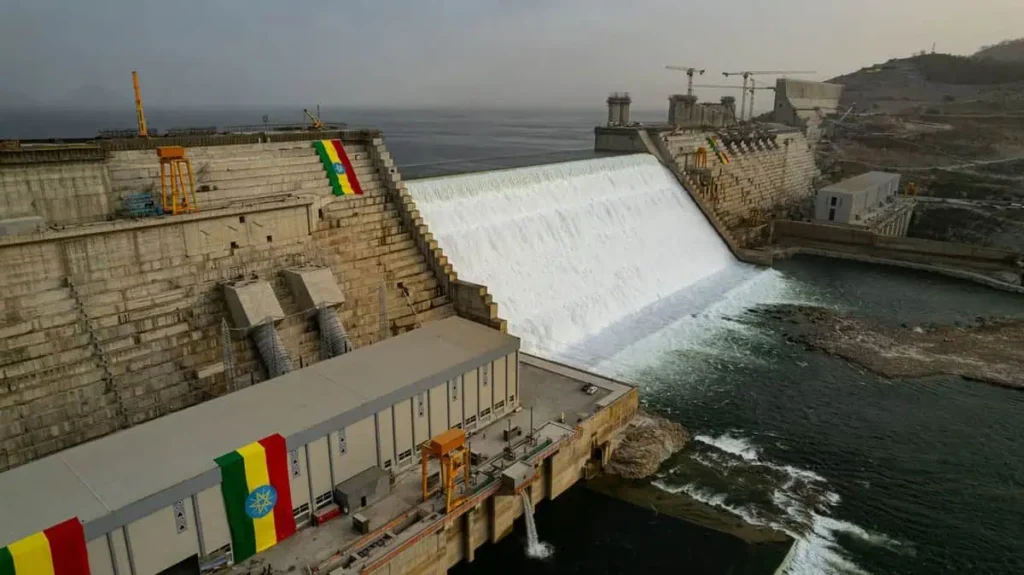
Phoenix’s Ethiopia deployment reflects an energy-aligned model for compute infrastructure, locating large-scale mining capacity where renewable power is available at industrial scale. The site operates on 132MW of hydropower, with approximately 90 percent of supply sourced from the Grand Ethiopian Renaissance Dam, supporting 30MW of active Bitcoin mining capacity.
This approach prioritizes grid alignment, energy stability, and disciplined execution in power-rich regions, ensuring that compute growth remains efficient and durable over time.

Energizing Bitcoin & AI Podcast: Episode #063
Reza discusses the growing importance of operational discipline and efficiency in industrial-scale mining and compute environments. He highlights how even small performance gains, in uptime, power economics, and execution, increasingly determine competitiveness, and explains how under-performing assets are systematically reviewed, optimized, re-deployed, or transitioned into data-center capacity. The conversation reflects his energy-aligned, long-term approach to infrastructure growth, where projects are selected and managed based on power availability, resilience, and sustainable unit economics.